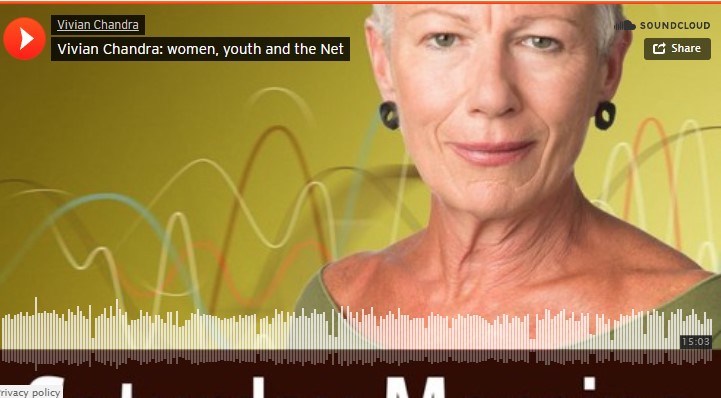

About this
- Original Link: Radio NZ’s Saturday Morning Broadcast
- Original Broadcast Date: July 12, 2014
Radio New Zealand (now RNZ) is Aotearoa’s public broadcaster, known for in‑depth, independent journalism and long‑form interviews. In 2014, Saturday Morning – hosted by Kim Hill – was one of its flagship programmes, renowned for thoughtful, wide‑ranging conversations with writers, activists, scientists, and cultural figures, setting the gold standard for intelligent radio interviewing.
In this Radio New Zealand interview, I talk about the intersection of technology, feminism, and human rights through my work at Amnesty International. I reflect on empowering women online, creating inclusive tech and conference spaces, and navigating privilege, harassment, and digital activism – while emphasising that technology is most powerful when it’s used deliberately to amplify voices that are too often excluded.
Key takeaways
- Empowerment in tech spaces must be intentional
Chandra explains that inclusive tech environments do not happen by accident. Practices like clear codes of conduct, facilitation techniques that amplify quieter voices, and explicit boundaries around behaviour are essential to making conferences and online spaces safer and more equitable. - Technology complements—but does not replace—human action
While digital tools like email and social media have transformed activism, Chandra notes that traditional methods, such as physical letters, still carry significant weight in human rights campaigning, particularly when authorities are confronted with visible, collective concern. - Privilege shapes how people experience online debate
The interview highlights how those with privilege often treat online discussions as abstract or intellectual, while for marginalised people these debates are deeply personal. Recognising this imbalance is key to understanding online harassment, trolling, and why listening matters more than “playing devil’s advocate.”
Listen to the whole interview below: