
About this
- Location: Tāmaki Makaurau (Auckland), New Zealand
- Date: 23 September 2026
I was tasked with the important job of closing out the day. It’s important when you are the last speaker of the day to be the person that wraps all the other thoughts up and leaves the audience with a new injection of energy.
Check out my other mahi:
When you are the closing speaker for a conference or a workshop, it’s important to recap and summarise – but also leave the audience feeling re-energised and refreshed.
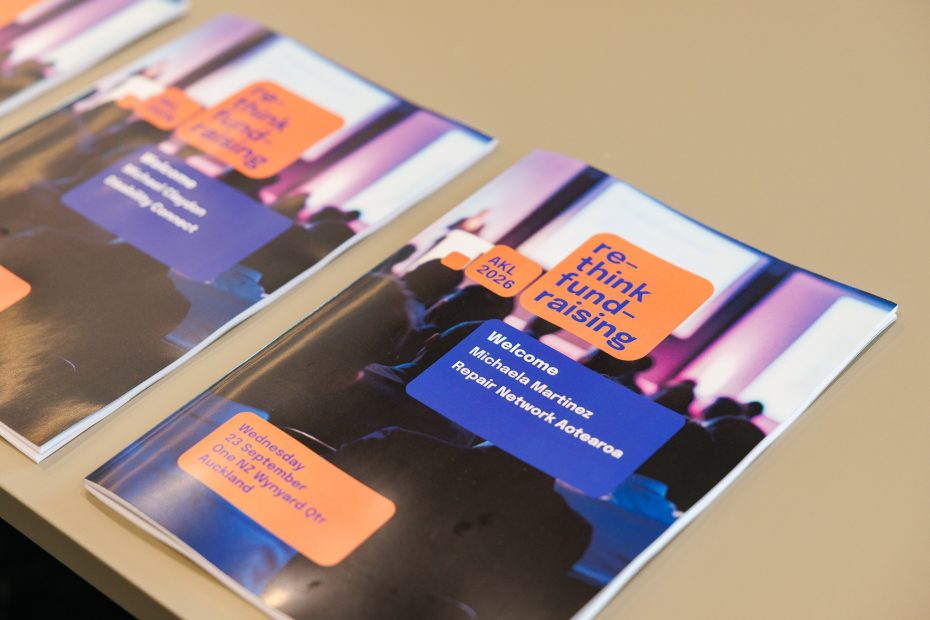
Rethink:Fundraising 2026, in Tāmaki Makaurau was a full on day of workshops from Fundraising professionals for those that work in the charity sector. There was a range of participants there, with a mix of charity sizes. The organisers, Change & Co, did a brilliant job of gathering the speakers to cater for this wide range of audience, and I had the awesome job of finishing it all off.
I’ve pasted my talk below (I was meant to record it, but didn’t quite get round to it), and feel that there is something for people in there, even those that didn’t come along. I’ve taken liberties to include some visuals, because while the crowd on the day only got me talking at them, you don’t really want to read a 10 minute speech verbatim!
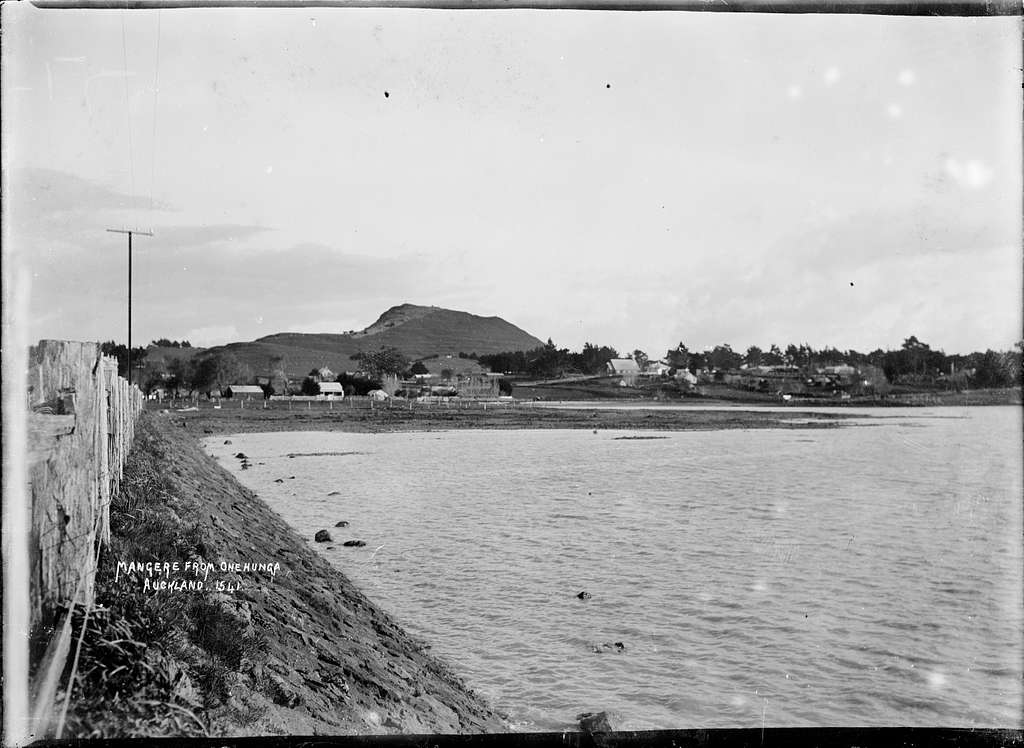
Kei te noho ahau kei roto i te taumarumaru o Te Pane o Mataoho
I tipu mai ahau i ngā tahataha o te moana o Manukanuka o Hoturoa
Nō Mārehia ahau.
Ko Tāmaki Makaurau te rohe.
Kei Te Piriti o Māngere ahau e noho ana.
Ko Vivian Chandra tōku ingoa.
No matter who I am talking to, I almost always start with my pepeha. It grounds me, it links me – in your heads at least – with the places I live and love, and it starts to create that real human connection with whoever it is that I am talking to.
I have just told you, for those of us still learning te reo Māori, that I sit in the shadow of Māngere Mountain. I grow better on the shores of Manukau Harbour. I was born in Malaysia. And since I was eight years old, I have lived here in Tāmaki Makaurau, Auckland, and specifically in Māngere Bridge. A mere twenty minutes from here – well on a good day with no traffic!
Today, we have had the absolute privilege to listen to and learn from so many amazing experts. We have received a wealth of technical whakaaro – from banishing boring charity comms to really looking at our supporter journey mechanics – right down to emails, short codes, data and CRM. All of which is important to the mahi that we do, but sometimes we forget that fundraising – and especially fundraising for a charity or a cause – is a human-to-human relationship. It should be rooted in empathy, equity and social change.
So, what has happened today?
Dominique kicked us off strong by saying authenticity wins over polished any day. Then Michelle followed up with the absolute gem of “Be a human being not a human doing” – which frankly could be a catchphrase for the rest of my talk. Tim continued the theme by defragmenting the brand conversation. He talked about how to package your internal branding decisions as clearly as you might package your external comms. To shoe-horn it into my bit, how do we include human connection in all that we do.
Let’s start with digital innovation. How do we re-balance with genuine human connection. You can use any of these new tools to generate eight different versions of your Direct Mail Appeal, and follow it up with polished and perfectly written (by AI) personalised EDM. Or you can use copy that was written by someone with lived experience, references a recent community event and sounds unmistakably human – which one will your donors trust more?

I don’t know if you have seen the polished videos coming from the Lily Jay Foundation. Beautiful reels and clips from a Ugandan orphanage. A blonde Australian woman appears on the videos, smiling and giving hugs to the Ugandan orphans that surround her. A report from ABC News in July this year uncovered a web of AI generated videos and links that go nowhere. As of today, some of it has been taken down, but some are still up. We’re still not sure about the whole story, but Ugandan authorities have confirmed that there aren’t any orphanages registered, and on-the-ground humanitarian sources in Gaza say they have not heard of the Lily Jay Foundation or seen the bakery it claims to run.
Of course, as an old school geek, my lesson isn’t ever going to be reject ALL technology. Radical authenticity doesn’t mean rejecting everything that is new. It means being unapologetically human, while using technology. In a world where almost anything can be generated, the thing that is truly scarce is genuine connection. The future isn’t human vs AI – we have to work with AI, or technology, to create more room for humanity.
How do we Rethink hope?
One thing I think we sometimes overlook in fundraising is that people are not just giving money. They’re buying hope.
The work many of us do exposes us to some of the toughest parts of society. Between all of us in this room, we’ve heard stories about poverty, abuse, exploitation, loneliness, illness, discrimination, environmental collapse, and communities struggling to get by. Sometimes we become so familiar with the problems that we forget what supporters are actually looking for.
Most people don’t give because they want another reminder that the world is broken. They give because they want evidence that it can be fixed.
When someone donates, signs a petition, volunteers, leaves a gift in their will, or turns up to a community event, they’re making a statement. They’re saying, “I still believe things can get better.”
I think that’s one of the reasons fundraising can sometimes feel difficult. We are often communicating from a place of urgency. We need people to understand the issue. We need them to understand the scale of the challenge. We need them to act now.
But if we’re not careful, we can accidentally leave people feeling overwhelmed rather than empowered.
People need truth. They also need hope.
They need to know that their actions matter and that there is a role for them. That they can make a meaningful contribution to something bigger than themselves.
The organisations that do this best don’t just tell people what’s wrong with the world. They help people imagine what could be right with it. They create a vision that supporters can see themselves in.
And perhaps that’s one of the most important things we do as fundraisers. We aren’t just raising money.
We’re creating human connections.
The age-old question all of us in this room normally ask is how we get more people to support our cause. So, we write our appeals and our copy. We send people out on the streets or door to door. We are the already converted – we are the people who love the cause so much that we work for it. We just figure, if someone new just hears about what we are trying to do, surely, just surely, they’ll sign up. We know that this isn’t always the case. As much as our shiny Annual Reports mean to us, it doesn’t quite hit the same out there. All throughout the day, we have talked about acquisition, conversion and retention. But our supporters are talking about belonging, identity and purpose.
Let’s take a walk down memory lane. Think about the first charity you ever gave to or supported. Try to think back to why that one. Do you remember what it was that compelled you?
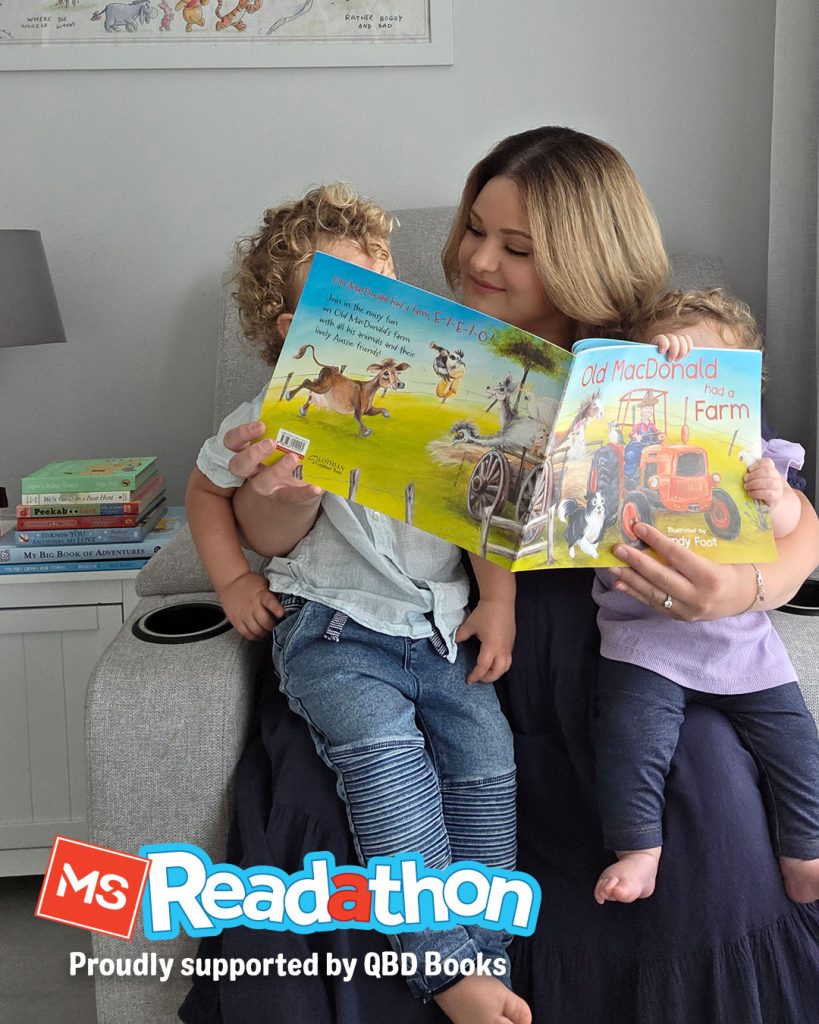
Mine was the Multiple Sclerosis Foundation. I was eleven years old. I didn’t have anyone in my life that was affected by MS, I barely knew what MS was. But I was really really into reading, and I’ve always been super competitive. Since 1979, MS Foundations globally have been running a fundraiser called the MS Readathon. In short, you pledge to read as many books as you could and people could donate accordingly. Through the MS Readathon, I did eventually learn what MS actually is, and got quite interested in the research and things that they wanted to fund with the money that I helped to raise.
The MS Foundation, instead of asking “how do we convince people to care”, asked “what do people already care about, and how can our cause connect to that?” Representatives from the MS Foundation, describe the Readathon as the triple threat of fundraisers. It has the awareness raising piece, the fundraising piece as well as the literacy piece. In fact, people who live with MS (and other neurological conditions) talk about how a lot of charity fundraisers involve physical movement – like swimming, walking or running – but reading is something they can take part in.
As this fundraiser is nearly fifty years old, it also creates a sense of connection within itself. Grandparents remember taking part when they were younger and can now read alongside their grandchildren.
This sense of connection means that the people who joined the readathon can maybe find a community where their contribution matters. Every donation someone makes is an act of optimism – it is somebody choosing to believe that change is possible and that their contribution can be a part of it. If someone chooses to leave a bequest, they are making a values decision that says this matters to me so much, I want it to outlive me.
Since 1979, MS Foundation all over the world have been inviting people into a shared story, one that they can pass onto their own kids and grandkids. That is a powerful place to begin.
ReThink’s core promise was to leave you with a renewed sense of energy and actionable conviction. The organisers want you to have a whole new perspective on your charity comms and your fundraising programmes, so I want you to think of one bold idea. Just one thing that you will rethink or transform tomorrow, rather than having executive dysfunction because you have created a giant list, and you don’t know where to start.
Remember also to take a look around. You are not doing this work in isolation. There is a collective power in Aotearoa, our charity sector is thriving and one that is always willing to share. I am constantly and pleasantly surprised by the generosity of those who work in our sector. The reason I keep coming back to these types of gatherings is because I see old faces and I meet new ones. The human connections we are trying to build out there amongst our supporters are stronger because of the ones we have built in this room. Your friends and colleagues from across the sector, have at one stage or another faced the same conundrums you are facing – let us always work together to make Aotearoa a better place.
Now I better not hold you up too much, I hear there are drinks and canapes at the Fundraising follies, right after this.
Heoi anō tāku mō nāianei, me ngā manaakitanga. That is all for now and best wishes